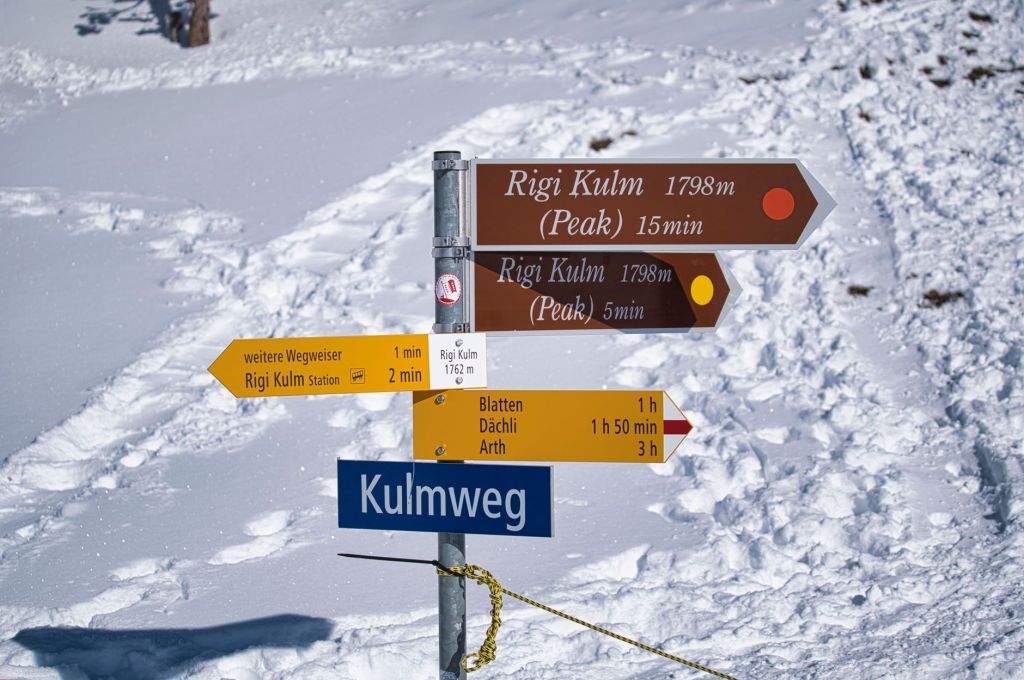
Whether you’re skiing or snowboarding for the first time, understanding ski trail difficulty ratings is essential for having a safe and enjoyable day on the mountain. Trail signs use colors and symbols to indicate the difficulty of each run, helping you choose terrain that matches your skill level.
While the rating systems are similar around the world, there are a few regional differences. Here’s what you need to know before heading out.
Ski Trail Difficulty Symbols Around the World
United States
- Green Circle – Beginner
- Blue Square – Intermediate
- Black Diamond – Expert
- Double Black Diamond – Expert Only
- Orange Rounded Rectangle – Terrain Park
Europe
- Blue Circle – Beginner
- Red Circle – Intermediate
- Black Circle – Expert
Japan
- Green Circle – Beginner
- Red Circle – Intermediate
- Black Circle – Expert
What Do Ski Trail Ratings Actually Mean?
A ski trail’s difficulty is determined by more than just its steepness. Ski resorts evaluate several factors when assigning a trail rating, including:
- Trail gradient (steepness)
- Trail width
- Grooming conditions
- Snow conditions
- Natural obstacles
- Wind exposure
- Terrain features
It’s also important to remember that ski trail ratings are relative to each individual resort. A blue run at one mountain may feel easier—or much more challenging—than a blue run somewhere else. Always start with easier terrain when visiting a new ski resort.
Beginner Trails (Green Circle or Blue Circle in Europe)
Beginner trails are the easiest runs on the mountain and are designed to help new skiers and snowboarders build confidence.
Typical characteristics include:
- Wide, forgiving slopes
- Regularly groomed snow
- Gentle turns
- A gradient of approximately 0%–25%
These trails are ideal for learning basic skills like stopping, turning, and controlling speed.
Intermediate Trails (Blue Square or Red Circle)
Intermediate runs offer more variety and challenge for riders who have mastered the basics.
You can typically expect:
- Moderate steeper sections
- Groomed snow with occasional variable conditions
- More sustained descents
- A gradient of approximately 25%–45%
Many ski resorts feature the largest number of intermediate trails, making them perfect for progressing your skills.
Expert Trails (Black Diamond)
Black Diamond runs are intended for advanced and expert skiers and snowboarders who are comfortable navigating difficult terrain.
These trails often include:
- Steep pitches exceeding 40% grade
- Ungroomed snow
- Moguls
- Narrow trails
- Trees, exposed rocks, or cliff bands
- Variable snow conditions
Double Black Diamond trails increase the difficulty even further and should only be attempted by experienced riders with the appropriate skills.
Terrain Parks
Terrain parks are specially designed areas featuring freestyle elements such as:
- Rails
- Boxes
- Jumps
- Halfpipes
- Other freestyle features
Whether you’re just learning small features or practicing advanced tricks, always inspect features before attempting them and wear appropriate protective gear.
Stay Safe on the Mountain
Knowing how to read ski trail ratings helps you choose terrain that matches your ability, reducing your risk of injury and making your day on the mountain more enjoyable.
Before heading out, remember to:
- Stay within your comfort level.
- Check current snow and weather conditions.
- Wear a properly fitted helmet.
- Ski or ride with a partner whenever possible.
- Carry a compact first aid kit and emergency essentials in your backpack.
Recommended Gear
- Backpack: https://amzn.to/4bhLaPQ
- First Aid Kit: https://amzn.to/4eXgrtG
- Emergency Blanket: https://amzn.to/3SLv76G
We’d Love to Hear From You!
What’s your favorite type of ski run—beginner, intermediate, expert, or terrain park? Share your favorite trails and tell us why in the comments below!
 Second Run Snow Co.
Leave a comment