
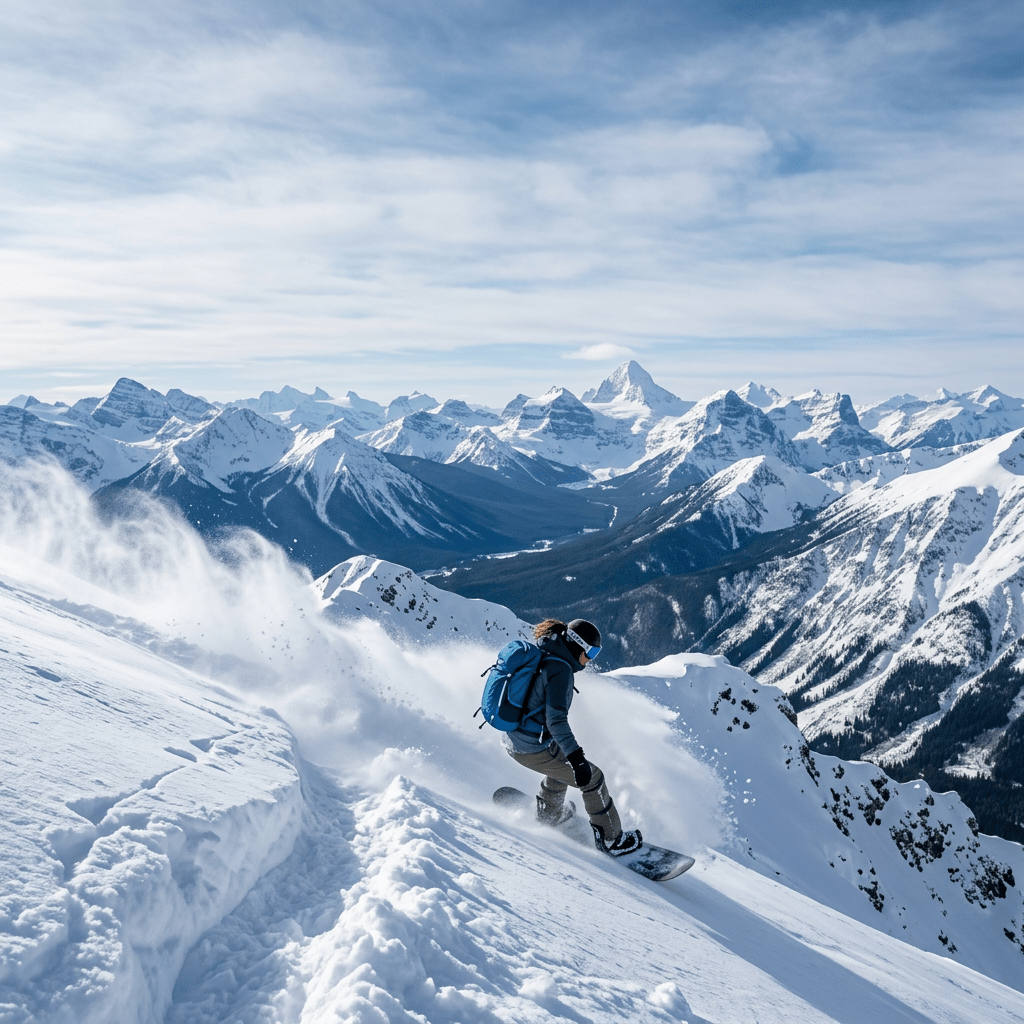
When you’re heading to the mountain, it’s easy to focus on the fun—but one of the most important parts of any ski or snowboard trip is safety. While most people remember the basics like dressing in layers, wearing a helmet, and packing snacks and water, there are several other key safety practices that can make all the difference.
Here are 10 essential tips to help you stay safe and make the most of your day on the slopes.
1. Stay in Control
Maintaining control is one of the most important responsibilities on the mountain. It allows you to safely navigate changing terrain, avoid collisions with other skiers and snowboarders, and conserve energy throughout the day. More importantly, it can save lives. Every year, approximately 40–50 people in the United States lose their lives in skiing and snowboarding collisions. Staying in control helps protect both you and those around you.
2. Yield to Others
Always be aware of who has the right of way. The skier or snowboarder downhill from you has priority, making it the responsibility of the uphill person to avoid them. Stay alert, anticipate changes in direction, and give others plenty of space.
3. Stop in Safe Locations
Where you stop matters. Avoid stopping directly below lift unload areas, in the middle of a run, or just below hills, rolls, or terrain features where you may not be visible to others. Instead, pull off to the side of the trail in a location where you can be clearly seen by uphill traffic.
4. Respect Signs and Closures
Trail signs and closures exist for your safety. While it may be tempting to duck a rope or explore closed terrain, these areas often contain serious hazards such as avalanches, cliffs, hidden obstacles, or unstable snow conditions. Ignoring closures can also result in significant fines or financial responsibility for rescue operations.
5. Wear the Right Gear
The proper equipment helps protect you from both injury and the elements. Always wear a properly fitted helmet and goggles, dress in weather-appropriate layers, and make sure your clothing is waterproof and insulated enough for the day’s conditions.
6. Check Your DIN Settings
If you ski, having correctly adjusted DIN settings on your bindings is essential. Bindings that release too easily—or not easily enough—can increase the risk of knee injuries, fractures, and serious falls. Have your bindings professionally adjusted based on your height, weight, ability level, and boot size.
7. Pace Yourself
Whether it’s your first day of the season or your first time on the mountain, ease into it. Warm up with stretches and begin on easier terrain before progressing to more challenging runs. Remember to take regular breaks, stay hydrated, and listen to your body throughout the day.
8. Ride with a Friend
There’s safety in numbers. Skiing or snowboarding with a partner means someone can call for help if you’re injured, help identify hazards, assist with navigation, and provide support if conditions become challenging.
9. Check the Weather Before You Go
Mountain weather can change quickly, so check the forecast before heading out. Pay attention to temperature, visibility, snowfall, wind conditions, and avalanche forecasts if you’ll be skiing or riding in applicable terrain. Freeze-thaw cycles can also create icy conditions, so knowing what to expect helps you prepare appropriately.
10. Carry Emergency Essentials
Being prepared can make a big difference if something unexpected happens. Pack a small first-aid kit, an emergency blanket, water, snacks, and any other essentials you may need. A compact ski backpack is a convenient way to carry emergency supplies without adding unnecessary bulk.
Backpack: Amazon.com: Dakine HELI BACKPACK 12L – BROWN RICE : Sports & Outdoors
What Are Your Go-To Mountain Safety Tips?
What safety practices do you never hit the slopes without? Share your favorite tips in the comments below—we’d love to hear how you stay safe while enjoying the mountain!


Leave a comment